Manchester Airport Sensory Rooms: From Design and Installation to Real Impact
Creating Calm Before Take-Off: The Story Behind Manchester Airport's Sensory Rooms
What Happens After a Sensory Space Opens?
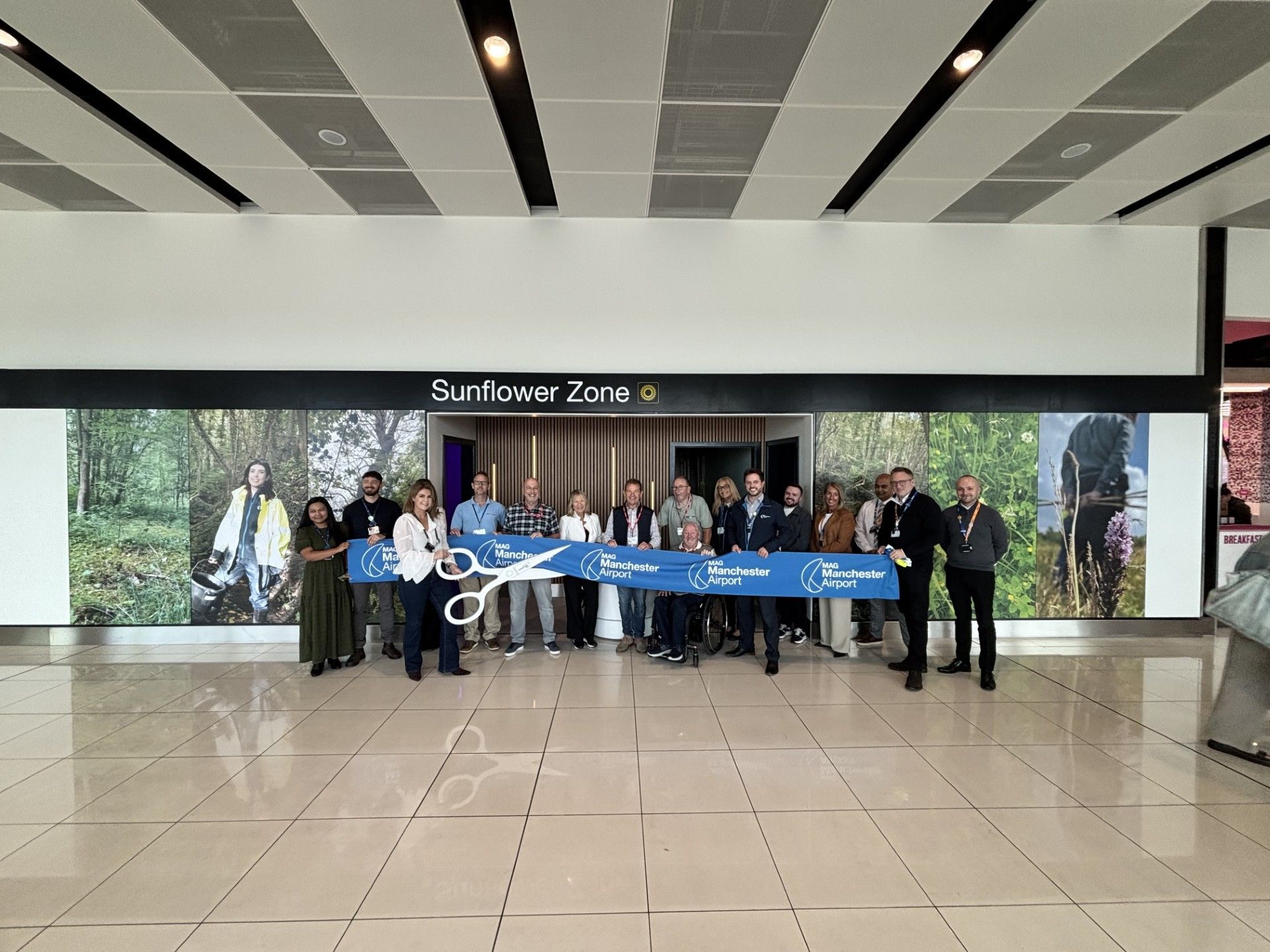
When a sensory room officially opens, the project may be complete, but the real journey is only just beginning.
At AmbiSpace, we believe that a successful sensory space is measured not by how it looks on installation day, but by the difference it makes to the people who use it every day. That is why seeing the ongoing positive impact of the sensory rooms at Manchester Airport Terminal 2 has been incredibly rewarding.
Designed and installed by AmbiSpace, the dedicated airport sensory rooms were created to support passengers who may experience sensory overload, anxiety, stress, autism, ADHD, learning disabilities, dementia, or other additional sensory needs while travelling.
Today, these spaces continue to help make air travel more accessible, inclusive, and comfortable for thousands of passengers and families.
Why Manchester Airport Needed a Sensory Room
Airports are exciting places, but they can also be highly stimulating environments.
Bright lighting, announcements, crowds, security procedures, unfamiliar surroundings, and travel uncertainty can create significant challenges for many people, particularly autistic individuals and those with sensory processing differences.
Manchester Airport recognised the importance of providing a dedicated calming environment where passengers could:
- Regulate before a flight
- Reduce sensory overload
- Decrease travel-related anxiety
- Prepare for their journey in a safe space
- Take a break from busy airport environments
- Support emotional wellbeing during travel
The goal was not simply to create another waiting area. It was to design a sensory environment that actively supports self-regulation, comfort, and accessibility.
Designing a Sensory Space for an Airport Environment
Designing a sensory room within one of the UK's busiest airports required careful consideration.
Every element of the sensory room design was selected to create a calming, welcoming environment while remaining practical for a public transport setting.
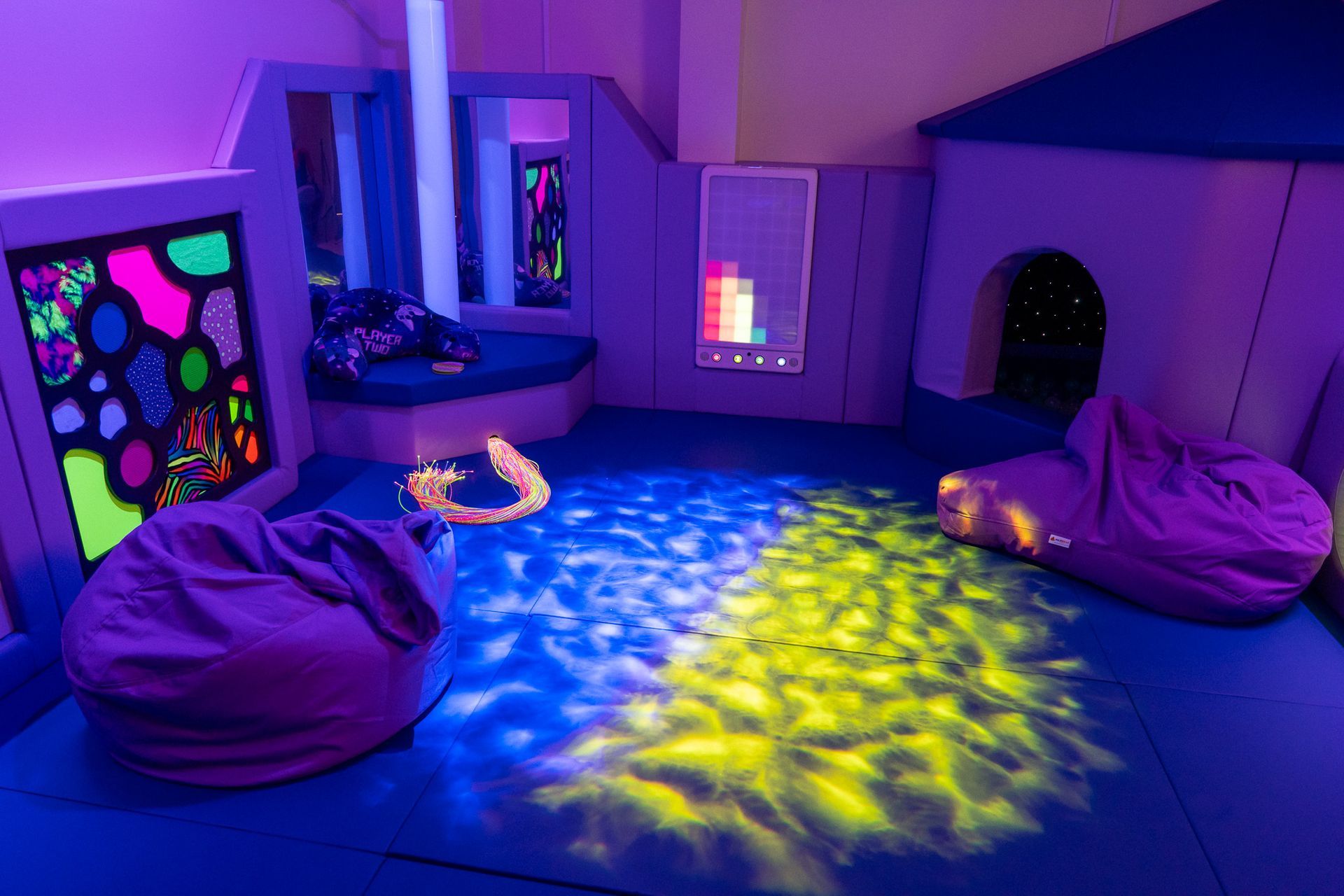
The space combines several evidence-informed sensory features, including:
Interactive Sensory Lighting
Carefully controlled lighting can help reduce stress and create a calming atmosphere.
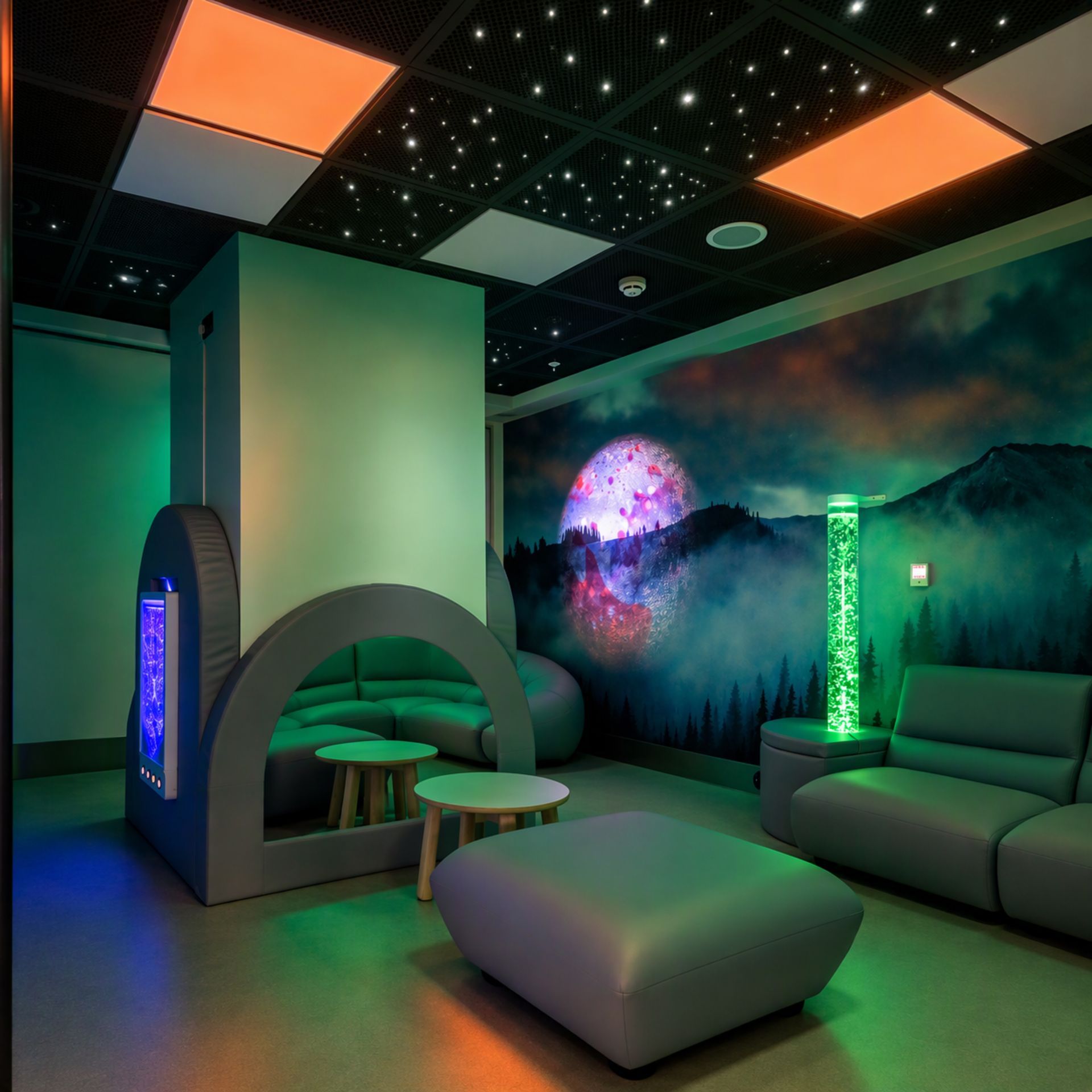
The Manchester Airport sensory rooms incorporate:
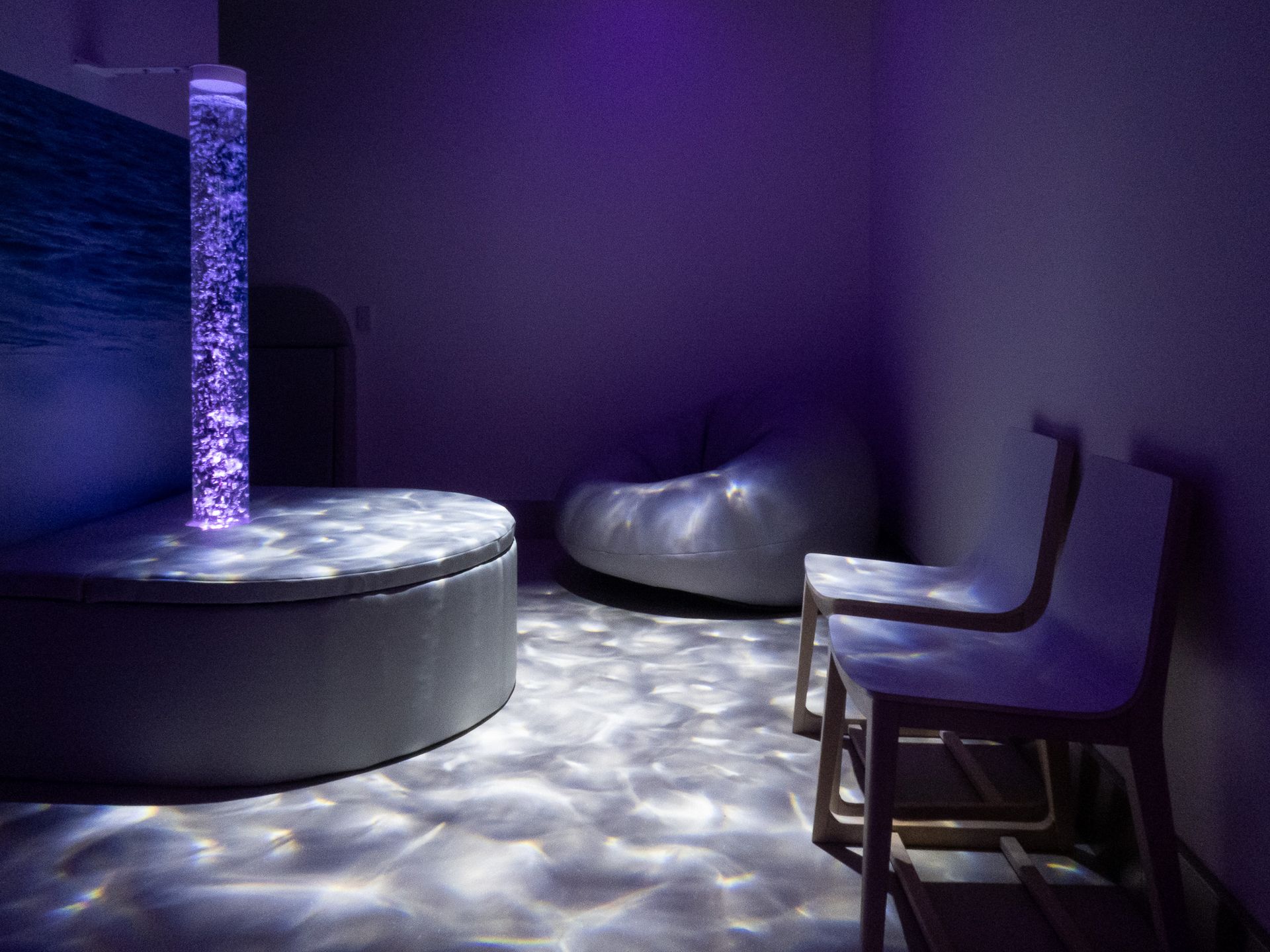
- Colour-changing sensory lighting
- Bubble tube sensory columns
- Adjustable ambient lighting
- Star-effect sensory ceilings
- Soft illuminated features
These elements provide visual stimulation while allowing users to regulate sensory input at their own pace.
Comfortable Sensory Seating
Seating was chosen to encourage relaxation and comfort before travelling.
Features include:
- Soft seating areas
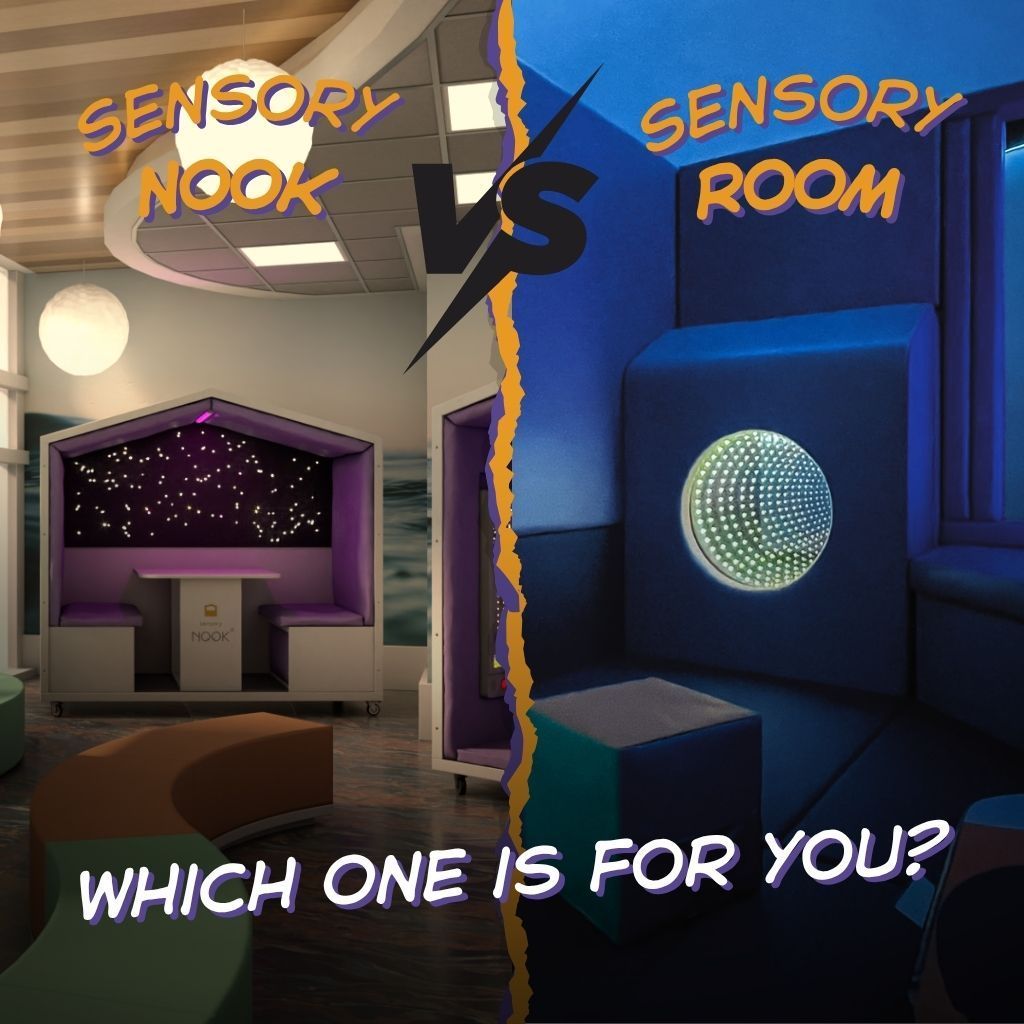
- Curved sensory nook spaces
- Relaxation zones
- Comfortable family seating
- Spaces for individual regulation
Creating defined yet open spaces helps passengers feel secure without feeling isolated.
Immersive Environmental Design
The sensory room combines visual design with sensory regulation principles.
Calming landscape imagery, soft colours, and immersive surroundings help create a sense of escape from the busy terminal environment.
The result is a dedicated sensory sanctuary where passengers can pause, regulate, and prepare for their journey.
The Installation Process
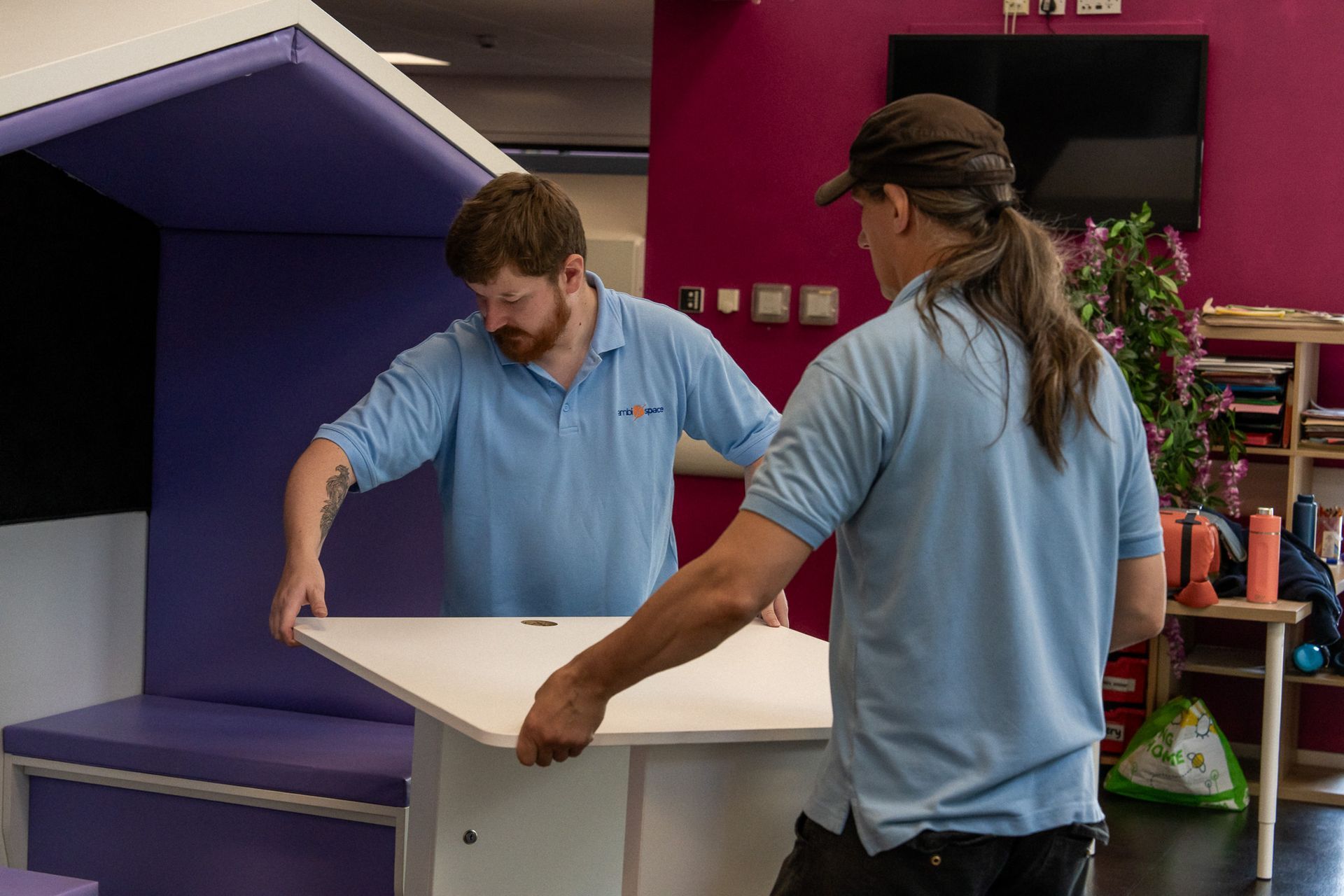
Installing a sensory room within an operational international airport presents unique challenges.
Our team worked closely with Manchester Airport stakeholders to ensure the project met operational, safety, accessibility, and user requirements.
The installation included:
- Sensory equipment integration
- Specialist lighting systems
- Custom sensory furniture
- Acoustic considerations
- Accessibility planning
- User-centred sensory design
Every aspect was carefully coordinated to minimise disruption while creating a high-quality finished environment.
Supporting Neurodiversity Through Inclusive Design
One of AmbiSpace's core principles is that inclusive design benefits everyone.
Although the sensory rooms were created with neurodivergent passengers in mind, the spaces can support a wide range of users, including:
- Autistic people
- Individuals with ADHD
- People experiencing anxiety
- Travellers with sensory sensitivities
- Families with young children
- Individuals with hidden disabilities
- Passengers who simply need a calm space before travelling
This approach demonstrates how thoughtful sensory design can improve the overall passenger experience while promoting accessibility and inclusion.
Real Feedback and Lasting Impact
Since opening, the sensory rooms have received fantastic feedback from passengers, families, support organisations, and airport staff.
Hearing real stories from users reinforces why sensory inclusion matters.
For many people, access to a dedicated sensory room can mean the difference between a stressful travel experience and a positive one.
By providing a calm environment away from busy terminal spaces, the rooms help passengers feel:
- More confident
- More comfortable
- More prepared
- Better supported
- Less overwhelmed
These outcomes are exactly what sensory environments are designed to achieve.
What Makes a Successful Sensory Room?
A successful sensory room goes beyond equipment and furnishings.
It combines:
- Sensory design expertise
- User-centred thinking
- Accessibility principles
- Inclusive design practices
- High-quality installation
- Ongoing positive user experiences
The Manchester Airport sensory rooms demonstrate how thoughtfully designed sensory spaces can support wellbeing, accessibility, and passenger confidence in real-world environments.
Creating Sensory Spaces That Make a Difference
At AmbiSpace, we design and install sensory rooms, sensory spaces, sensory nooks, calming environments, and inclusive spaces for organisations across the UK.
Whether the project is an airport, school, college, healthcare facility, workplace, public venue, or community setting, our goal remains the same: creating environments that help people feel comfortable, supported, and included.
The success of the Manchester Airport sensory rooms shows what is possible when accessibility, neurodiversity, and inclusive design are placed at the heart of a project.
Because great sensory spaces are not just about what you build.
They are about the experiences you create and the people you support.
Sensory room, sensory rooms, sensory space, sensory spaces, airport sensory room, Manchester Airport sensory room, inclusive design, neurodiversity, autism friendly environment, sensory environment, calming space, sensory lighting, sensory ceiling, sensory installation, sensory design, accessible travel, airport accessibility, hidden disabilities, sensory support, sensory nook, airport sensory space, autism accessibility, sensory regulation, travel anxiety, sensory overload, AmbiSpace, Manchester Airport Terminal 2.
Share Post