The Hidden Cost of Sensory Overload in UK Schools, and How Sensory Spaces Change Everything
The Hidden Cost of Sensory Overload in UK Schools, and How Sensory Spaces Change Everything


Sensory overload is one of the most misunderstood barriers to learning in UK schools. It affects thousands of autistic and neurodivergent pupils every day, yet it often goes unseen, unspoken, and unsupported. For many children, the school environment itself is the trigger: bright lights, unpredictable noise, crowded corridors, sudden transitions, and constant sensory demands.
At AmbiSpace, we see the impact of this daily. We also see the transformation that happens when schools introduce properly designed sensory spaces, environments that regulate, calm, and empower pupils to thrive. As the UK continues to push for stronger SEND provision, sensory inclusion is no longer a “nice to have”. It’s essential.
What Sensory Overload Really Looks Like in UK Classrooms
Sensory overload isn’t simply “stress” or “distraction”. It’s a full‑body neurological response. For autistic and ADHD pupils, everyday school experiences can trigger:
- Intense noise sensitivity
- Visual overwhelm from lighting or movement
- Difficulty filtering background sounds
- Physical discomfort from textures, seating, or temperature
- Emotional shutdowns or meltdowns
- Fight‑or‑flight responses during transitions
These aren’t behavioural choices. They’re physiological reactions, and they directly affect learning, wellbeing, and attendance.
The Hidden Cost for Schools
When sensory needs aren’t met, the consequences ripple across the entire school community:
- Increased dysregulation and behaviour incidents
- Reduced engagement and participation
- Higher levels of anxiety and school avoidance
- Struggles with transitions and classroom readiness
- Lower academic confidence
- Strained relationships between pupils, staff, and families
Many schools try to respond with “quiet rooms” or empty breakout spaces. But without sensory‑informed design, these rooms often go unused, or worse, become associated with punishment rather than regulation.
What a True Sensory Space Does Differently
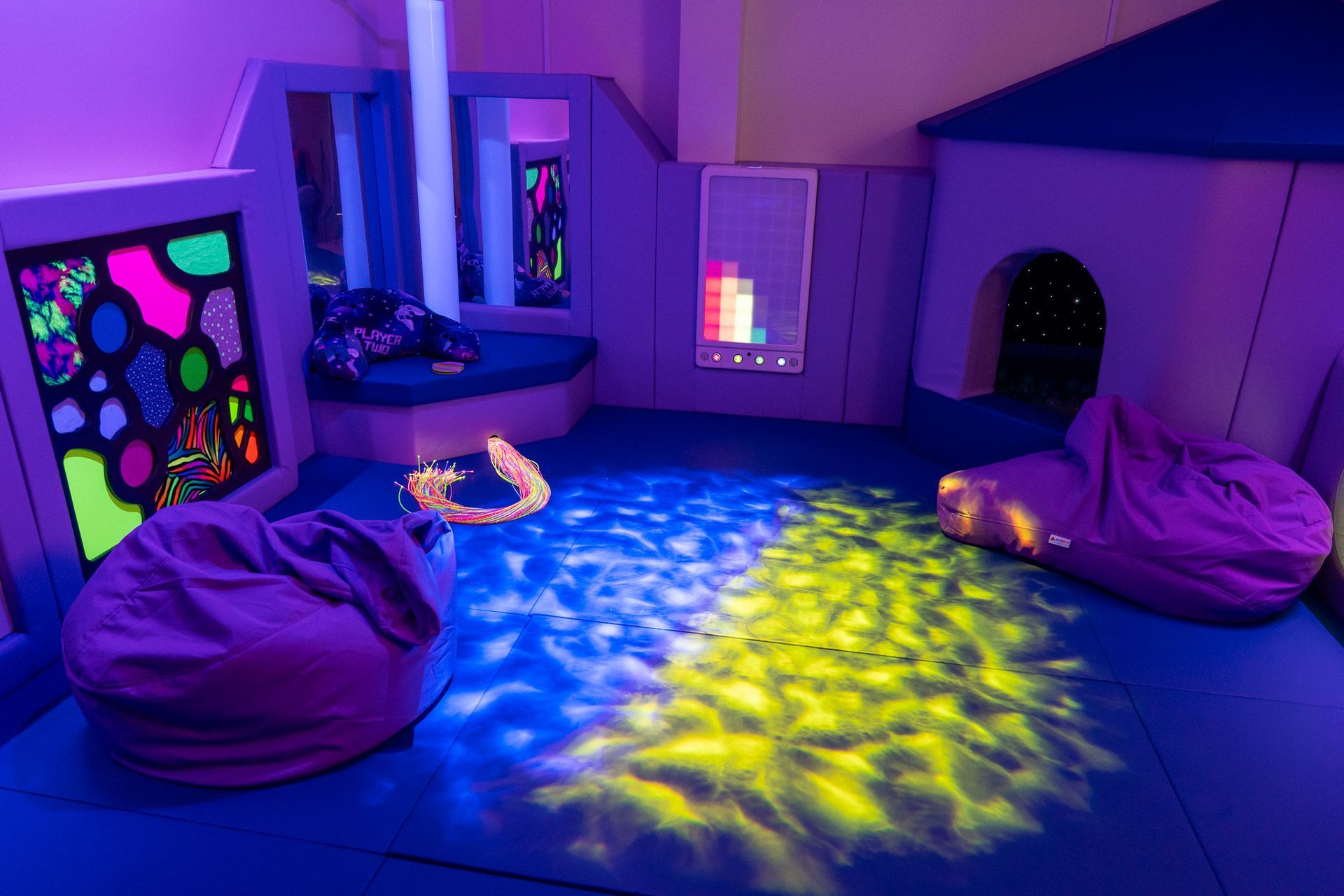
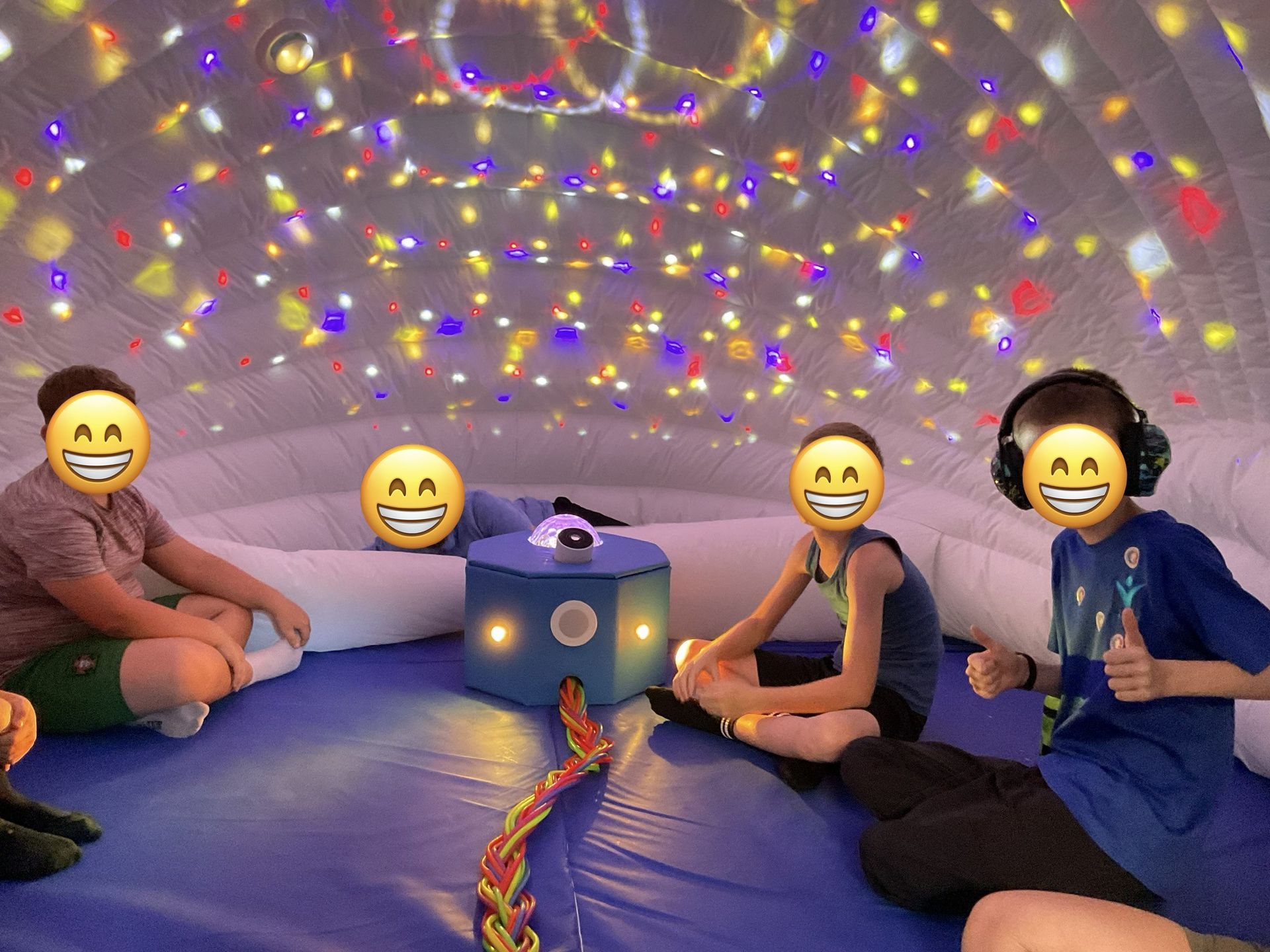
A sensory space is not just a room. It’s a carefully designed environment that supports the nervous system. When done properly, it provides:
- Predictable lighting that reduces visual overwhelm
- Calming soundscapes that support emotional regulation
- Tactile and interactive features that encourage grounding
- Safe seating and soft zones for decompression
- Tools for self‑regulation, not adult‑led intervention
- A positive, welcoming atmosphere that builds confidence
The result is profound. Pupils return to class calmer, more focused, and ready to learn. Staff report fewer incidents and smoother transitions. Families see improvements in wellbeing at home. And schools gain a practical, evidence‑based tool that supports SEND outcomes.
Real Impact in UK Schools
Across Doncaster, Yorkshire, and beyond, AmbiSpace sensory rooms are helping schools:
- Reduce dysregulation during high‑stress times
- Support autistic and ADHD pupils with transitions
- Provide safe spaces during sensory overwhelm
- Improve attendance for pupils with anxiety
- Strengthen SEND provision and inclusion strategies
- Build trust with families who feel seen and supported
These aren’t theoretical benefits — they’re lived experiences from pupils, teachers, and parents who use these spaces every day.
Why Schools Need Sensory Inclusion Now More Than Ever
With the UK’s ongoing SEND reforms, schools are under increasing pressure to demonstrate:
- Strong inclusion practices
- Effective regulation strategies
- Support for neurodivergent pupils
- Reduced behaviour incidents
- Improved wellbeing and attendance
Sensory spaces directly support these priorities. They’re one of the most impactful, cost‑effective ways to improve outcomes for pupils who need it most.
How AmbiSpace Can Help
AmbiSpace specialises in designing sensory environments built on lived autistic experience, evidence‑based practice, and real‑world school needs. We offer:
- Sensory audits
- Full sensory room design and installation
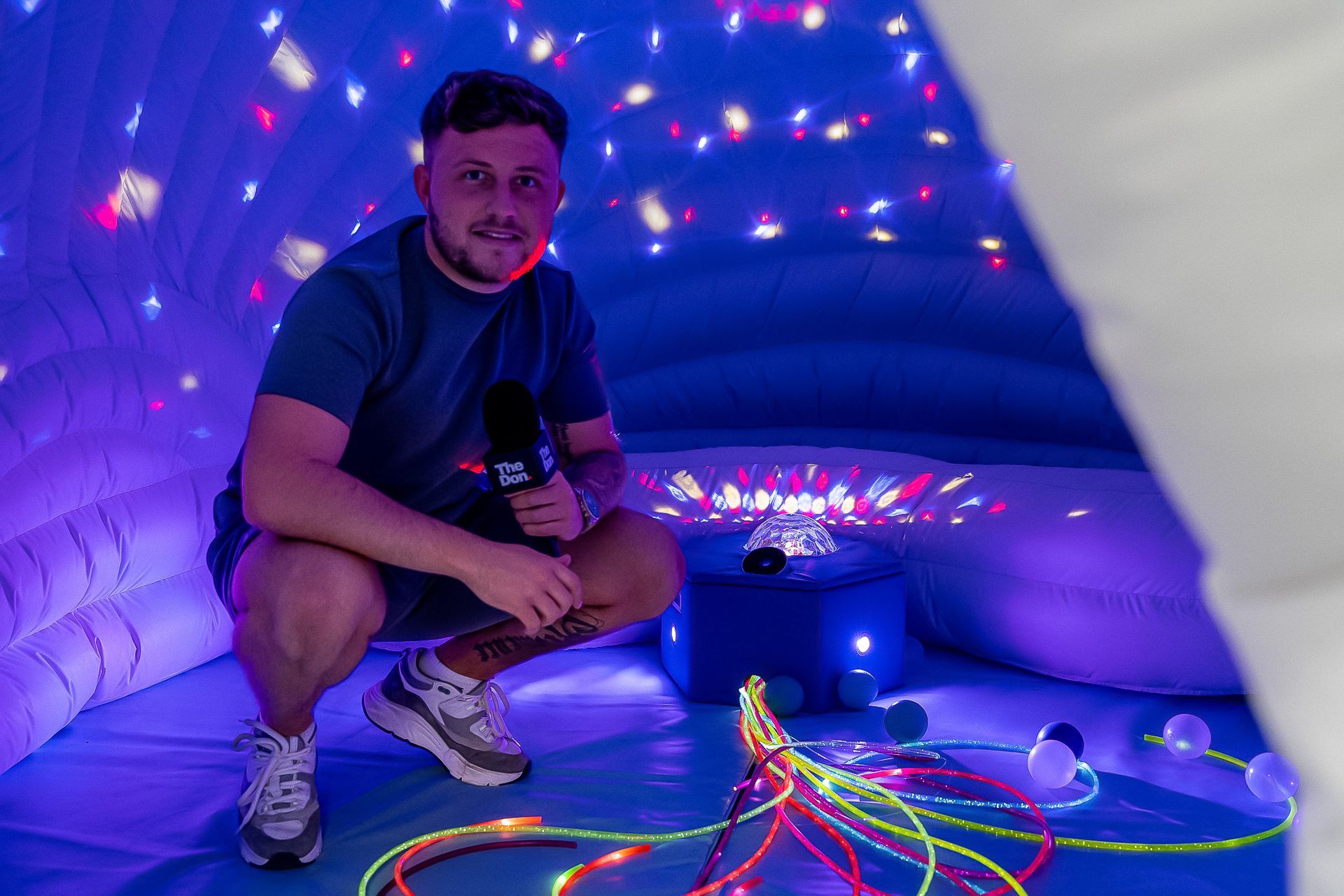
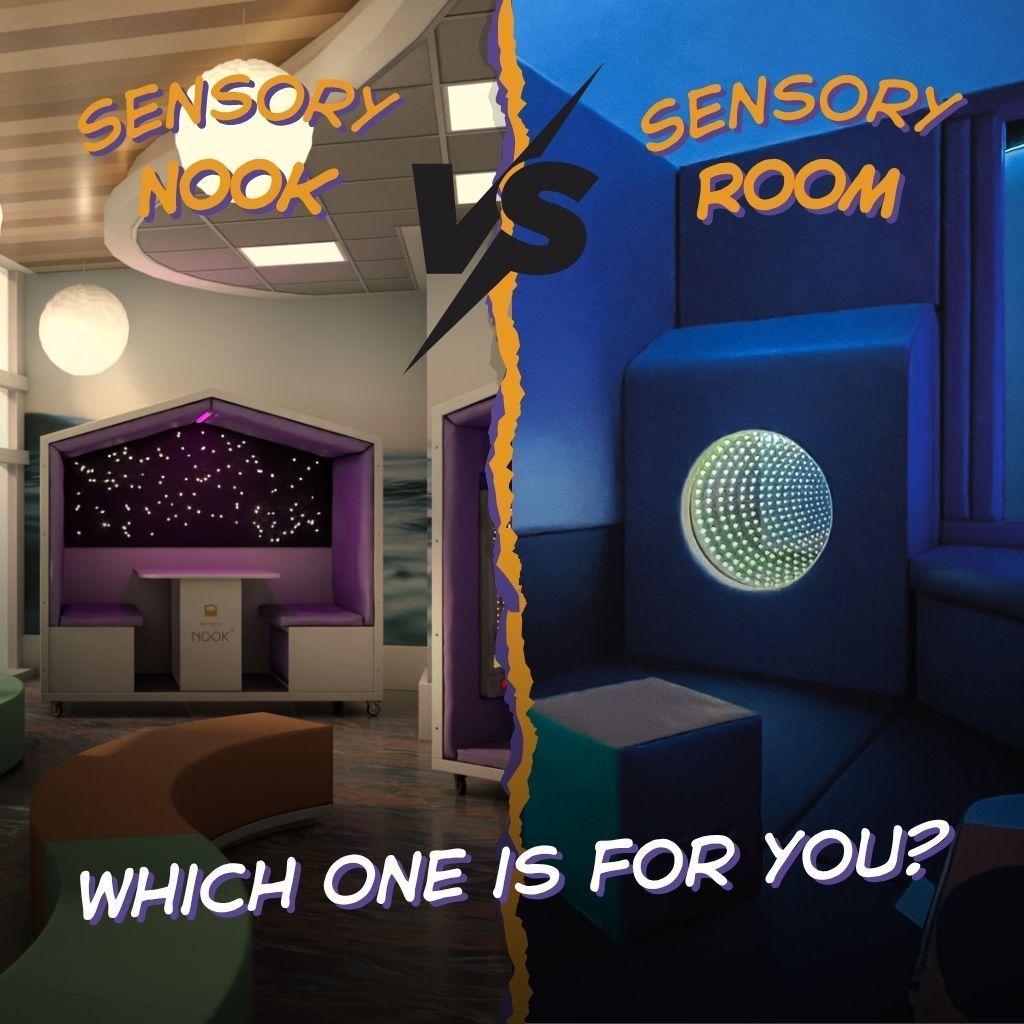
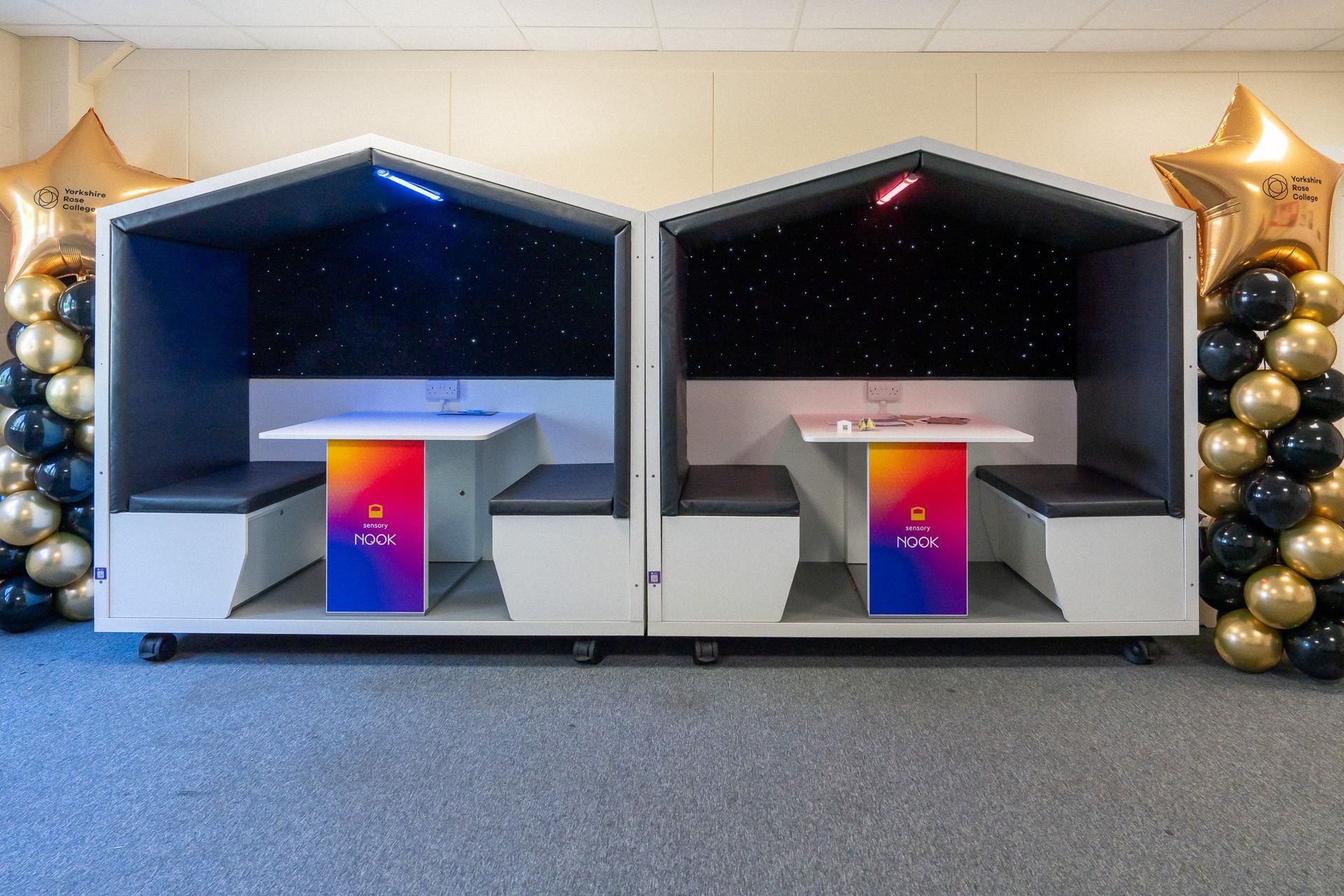
- Sensory Nooks and portable regulation spaces
- Staff training on sensory‑informed practice
- Ongoing support and consultation
Every space is designed to be accessible, inclusive, and tailored to the unique needs of each school.
Final Thought
Sensory overload isn’t a behaviour problem. It’s a support problem. And when schools provide the right environment, pupils don’t just cope, they flourish.
Newspaper Article:
When the classroom becomes too loud: The rising crisis of sensory overload in UK Schools
Share Post