Making Public Spaces More Inclusive Through Sensory Design
The Journey Starts Before You Arrive: How Sensory Spaces Are Making Public Places More Accessible
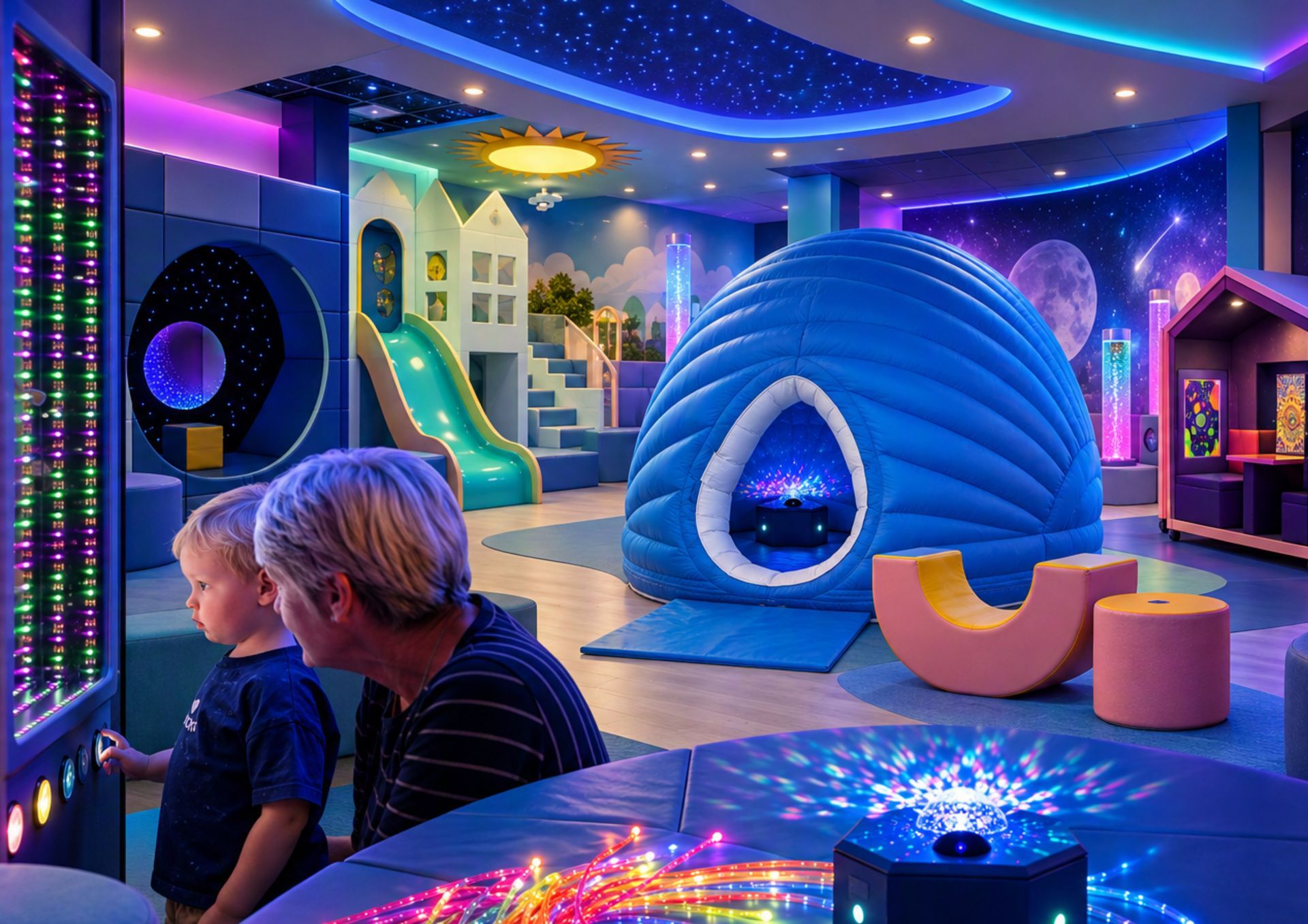
Making Public Spaces More Inclusive Through Sensory Design
How many people never start the journey because the journey itself feels impossible?
For many people, a trip to the airport, a day at a shopping centre, or a visit to a museum is something they rarely need to think twice about. Yet for autistic individuals and those with sensory processing challenges, the journey itself can become the biggest barrier.
Bright lighting, unpredictable noise, crowded environments, public announcements, unfamiliar surroundings and constant sensory input can quickly become overwhelming. Long before reaching their destination, many individuals may already be dealing with sensory overload, heightened anxiety or emotional fatigue.
As conversations around accessibility and inclusion continue to evolve, there is growing recognition that public spaces need to support a wider range of sensory needs. That's where thoughtfully designed sensory spaces can make a meaningful difference.
Sensory Overload in Everyday Public Spaces
Public environments are often designed to accommodate large numbers of people, but not always the diverse ways people experience those environments.
Busy transport hubs, shopping centres, entertainment venues, libraries, galleries, hospitals and visitor attractions can present a perfect storm of sensory stimuli:
- Loud background noise
- Crowded walkways and queues
- Bright or fluorescent lighting
- Multiple competing visual distractions
- Unexpected announcements and alarms
- Constant movement and activity
While many people naturally filter this information, autistic individuals and people with sensory processing differences may experience these environments very differently.
When sensory input becomes overwhelming, it can affect concentration, communication, emotional regulation and overall wellbeing. In some situations, people may choose not to visit certain places altogether because the potential challenges simply outweigh the benefits.
This can restrict access to travel, education, leisure activities, community engagement and everyday experiences that many people take for granted.
Why Sensory Spaces Matter
A sensory space is much more than a dedicated room filled with specialist equipment.
At its best, a sensory space provides a safe, calming environment where individuals can regulate, decompress and reset before returning to their activities.
Whether located within:
- Airports
- Train stations
- Bus terminals
- Shopping centres
- Museums
- Libraries
- Healthcare settings
- Community venues
A sensory room offers an opportunity to step away from overwhelming stimuli and regain a sense of comfort and control.
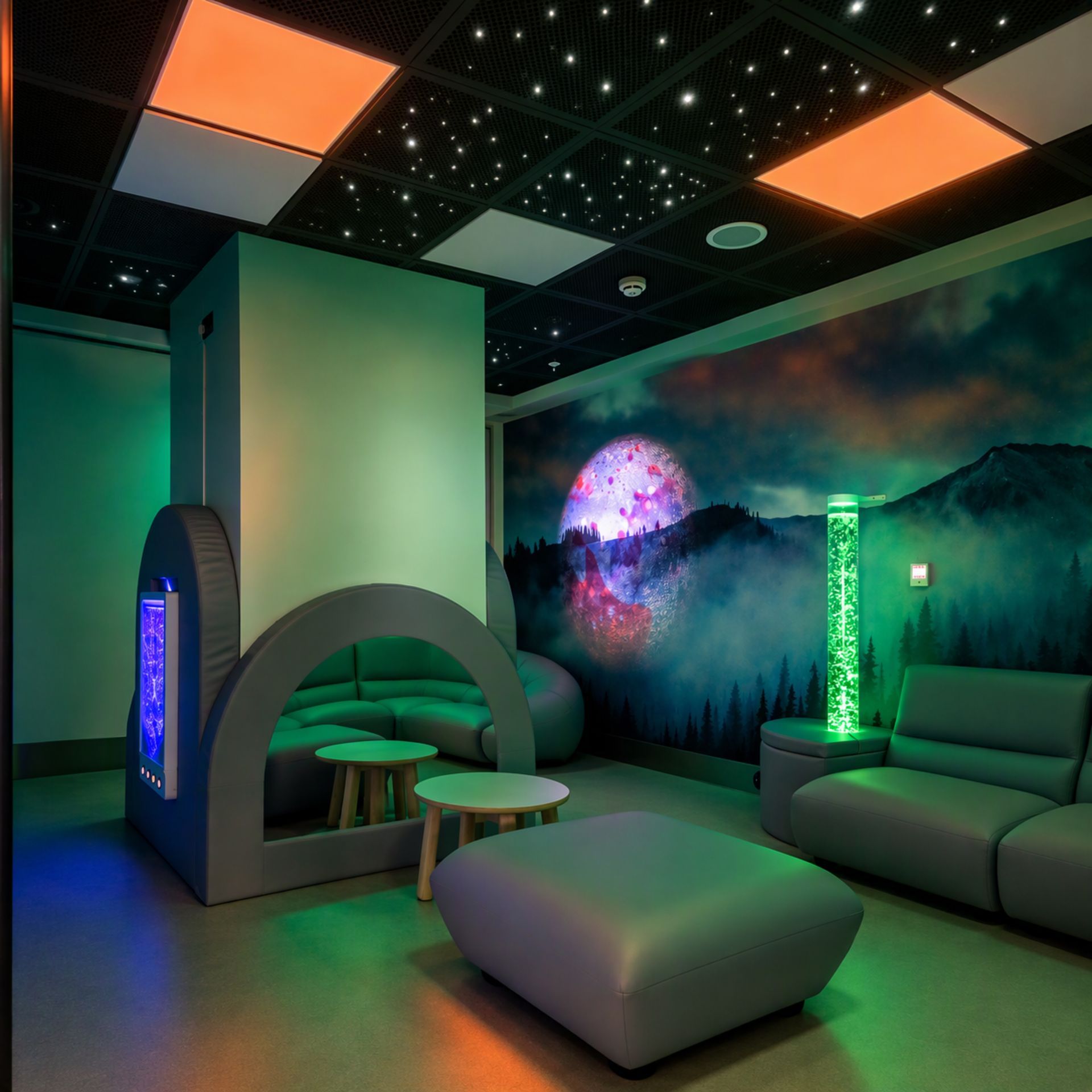
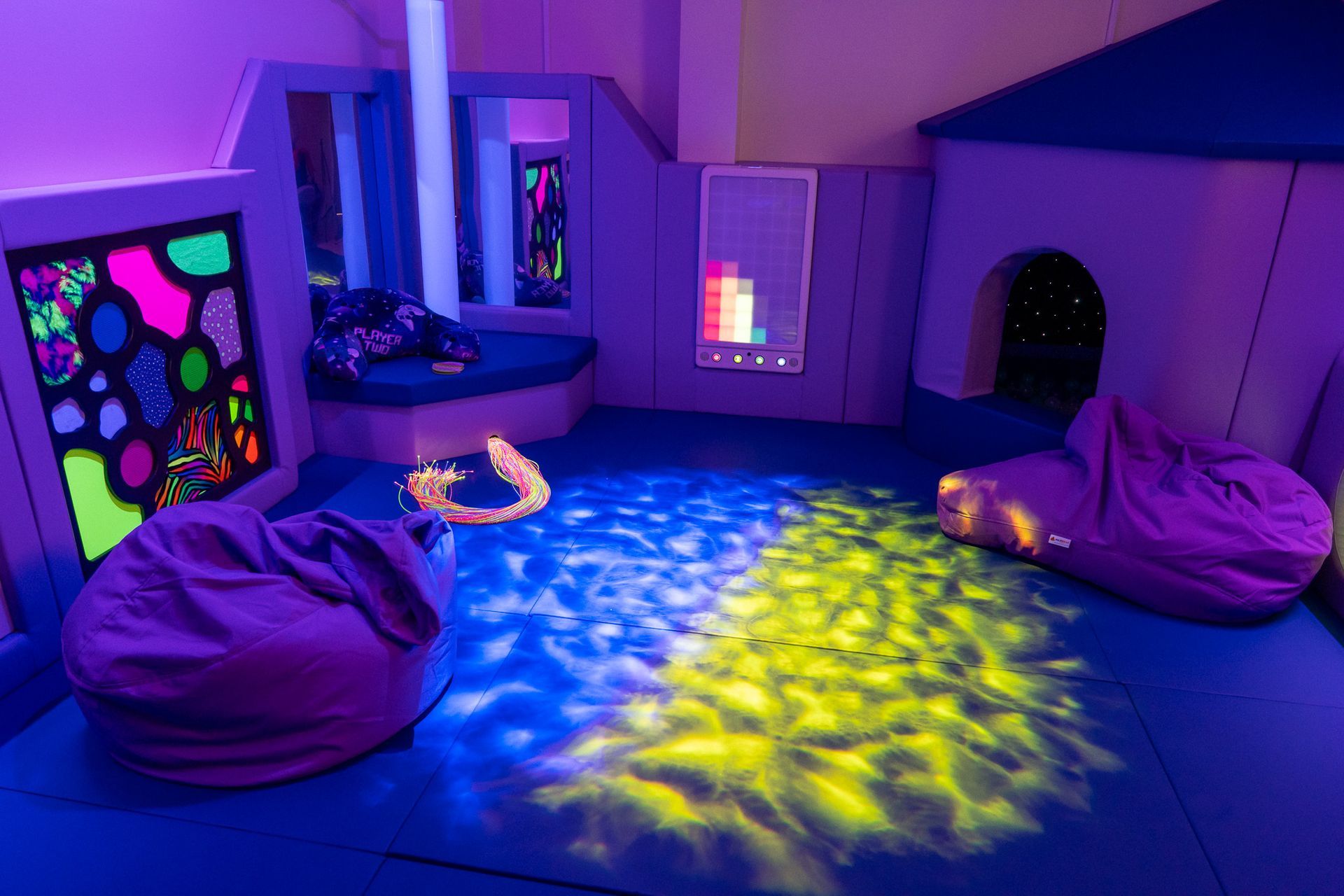
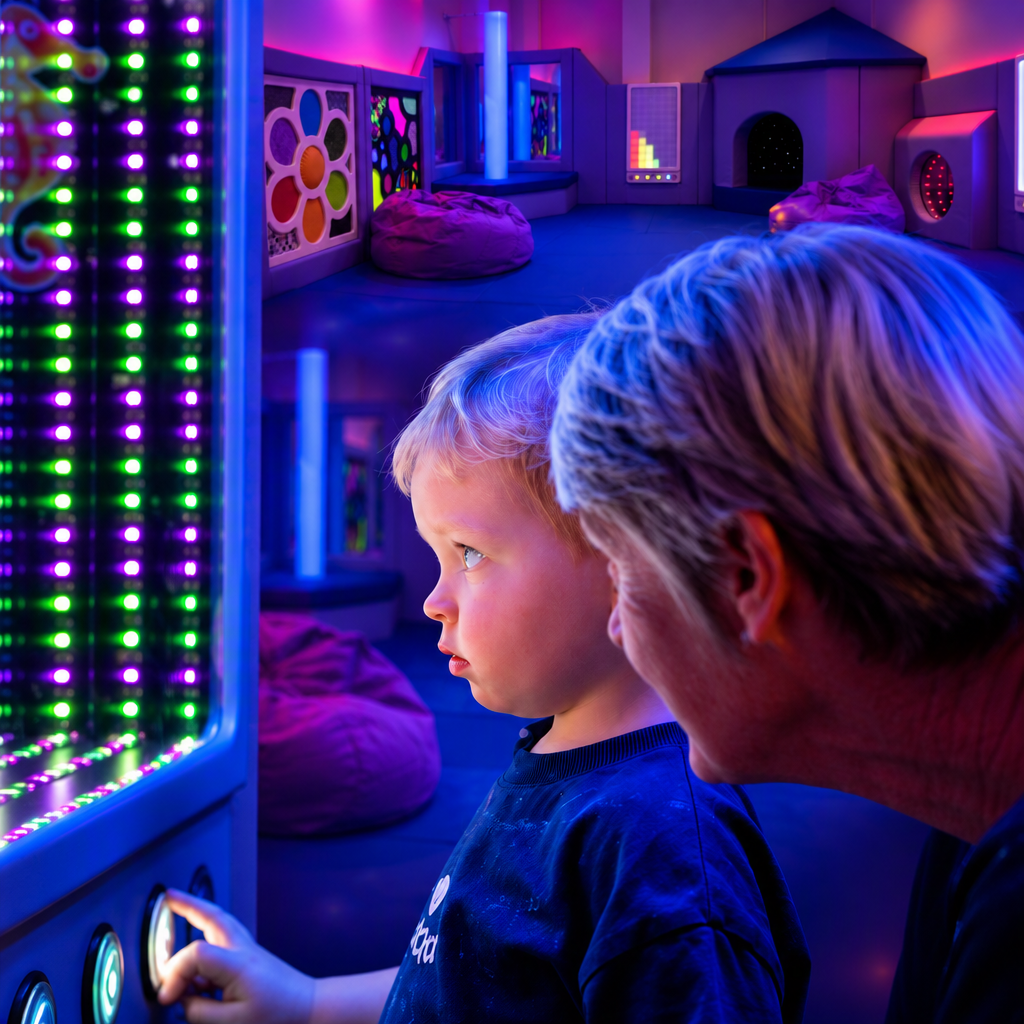
Features commonly found within modern sensory environments include:
- Calming lighting systems
- Bubble tubes
- Fibre optic lighting
- Interactive sensory panels
- Soft seating and safe spaces
- Projection systems
- Sensory pods and retreat areas
- Tactile and visual sensory activities
These elements can be tailored to the needs of different users, creating spaces that support both relaxation and engagement.
Supporting Confidence, Independence and Participation
The true value of a sensory space often extends far beyond the room itself.
For many individuals and families, knowing that a dedicated sensory area is available can increase confidence before even arriving at a venue.
When visitors know there is somewhere they can take a break, regulate sensory input or access a quieter environment, it can make public spaces feel more welcoming and accessible.
We've heard encouraging feedback from visitors, families and support workers over the years who have shared how access to sensory spaces has transformed experiences that might otherwise have felt impossible.
As one family explained:
"For our family, access to a sensory space isn't just a nice addition. It's what makes travel possible and more manageable."
Comments like these highlight an important point. Sensory rooms are not simply additional features or optional extras. For some people, they are the difference between participating and staying at home.
Inclusive Public Spaces Benefit Everyone
Although sensory spaces are often associated with autism support, the benefits frequently extend much further.
Many people can experience sensory overwhelm at different times in their lives, including:
- Individuals with ADHD
- People living with anxiety
- Those recovering from illness or injury
- Individuals experiencing stress or fatigue
- Older adults
- Families with young children
By designing public environments that offer opportunities for regulation and recovery, organisations create spaces that are more welcoming for everyone.
This broader approach aligns with the principles of inclusive design, where environments are created to accommodate diverse needs from the outset rather than relying on later adaptations.
The Future of Accessible and Inclusive Design
Growing awareness of neurodiversity is encouraging organisations to rethink how public spaces are designed and operated.
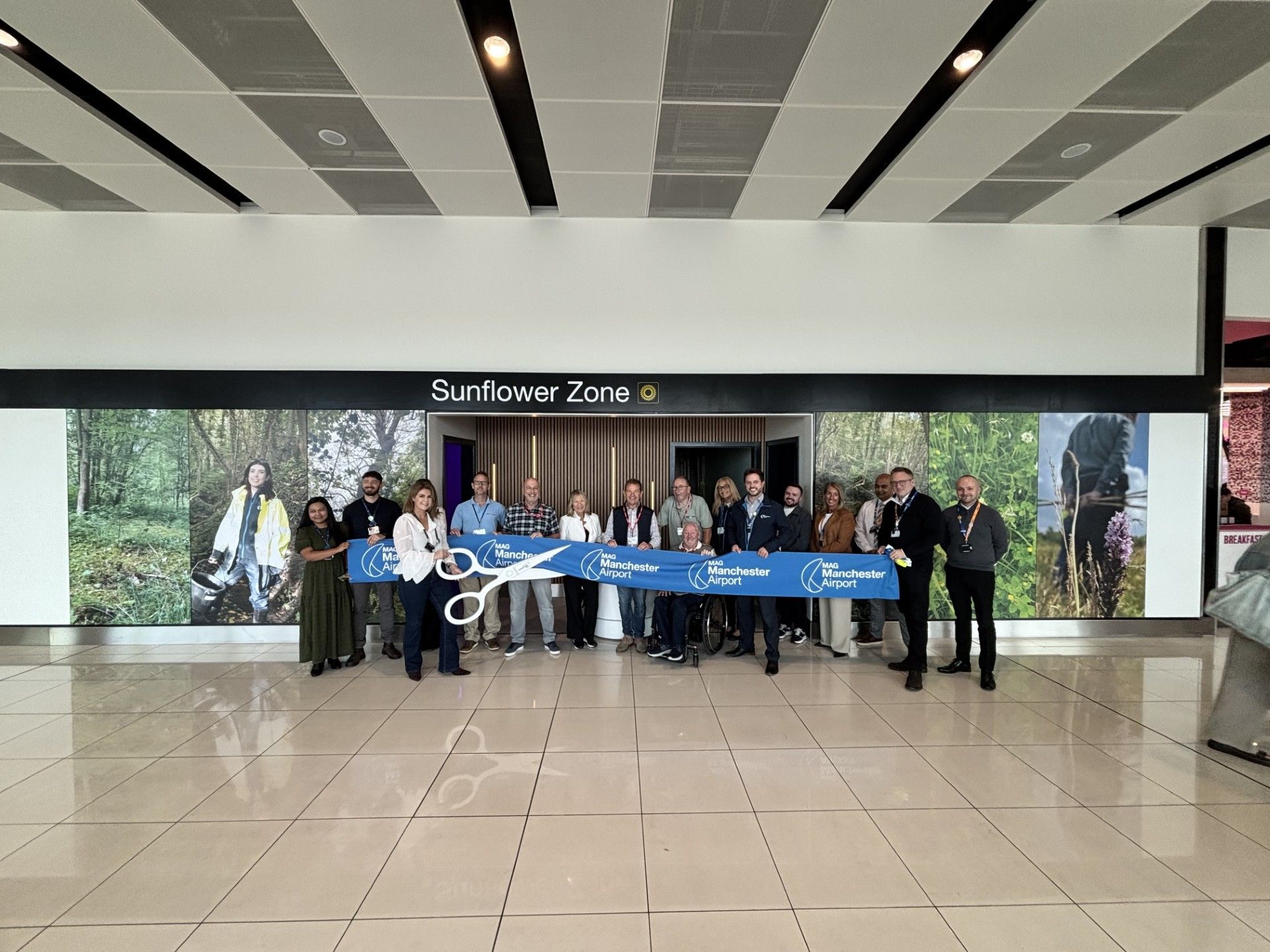
Across the UK and beyond, more airports, visitor attractions, educational settings and community facilities are recognising the importance of sensory inclusion.
The conversation is shifting from asking whether sensory spaces are needed to considering how they can be integrated effectively into public environments.
Creating truly inclusive spaces involves more than meeting accessibility requirements. It means understanding how people experience environments differently and providing meaningful support that enables everyone to participate with confidence.
Helping People Start the Journey
At AmbiSpace, we believe everyone should have the opportunity to travel, explore, learn and engage with their communities without unnecessary barriers.
Sensory rooms and calming spaces help make that vision a reality by providing environments where people can regulate, recharge and feel comfortable navigating the world around them.
Because sometimes inclusion isn't about the destination.
It's about making sure the journey is possible in the first place.
Looking to create a sensory space?
Whether you're developing an airport sensory room, a sensory area within a shopping centre, a calming room in a museum, or an inclusive space within a public building, thoughtful sensory design can help create environments that support accessibility, wellbeing and participation for a wider range of people.
Contact AmbiSpace to discover how sensory spaces can help make public environments more inclusive, accessible and welcoming for everyone.
Keywords: sensory spaces, sensory room, public spaces, sensory inclusion, neurodiversity, autism support, inclusive design, accessibility, sensory processing, sensory regulation, calming spaces, public environments, travel accessibility, sensory environment, inclusive public spaces.
Share Post