Sensory For Mainstream Schools - A Quick Guide
So, you have been tasked with creating a proactive space within your school to support pupils with SEND and to help manage the mental health, social anxiety and wellbeing of pupils and students returning after lockdown.
You know of and may have seen sensory rooms and products being used in specialist schools but your expertise in working with SEND pupils does not really extend into the sensory area. A quick internet search pops up numerous suppliers and a plethora of dazzling products that look amazing, but how can you narrow it down to make sure you get the most out of your budget and provide the best support for your students?
Having worked with young people with special needs myself, and as a multi award winning designer of countless sensory rooms and products over the last 12 years I would like to share these focus points to help you in your quest.
Purpose
Having a clear purpose from the outset of what you want a sensory facility to do for you will help narrow down your search and avoid investing in something that doesn’t deliver as intended.
We will be exploring “Purpose” more in the next part of our guide.
Quality & Safety
Sensory facilities are frequently used by vulnerable people in society and that usage can often be quite robust. It is important therefore that the Sensory equipment, designs and installation are all of a high standard. We will be exploring “Quality & Safety” more in the sixth part of our guide.
Control
This is the most important factor in creating a successful sensory facility. There are two main elements to consider – Environmental and Interactive.
We will be exploring “Control” more in the fourth part of our guide.
Equipment
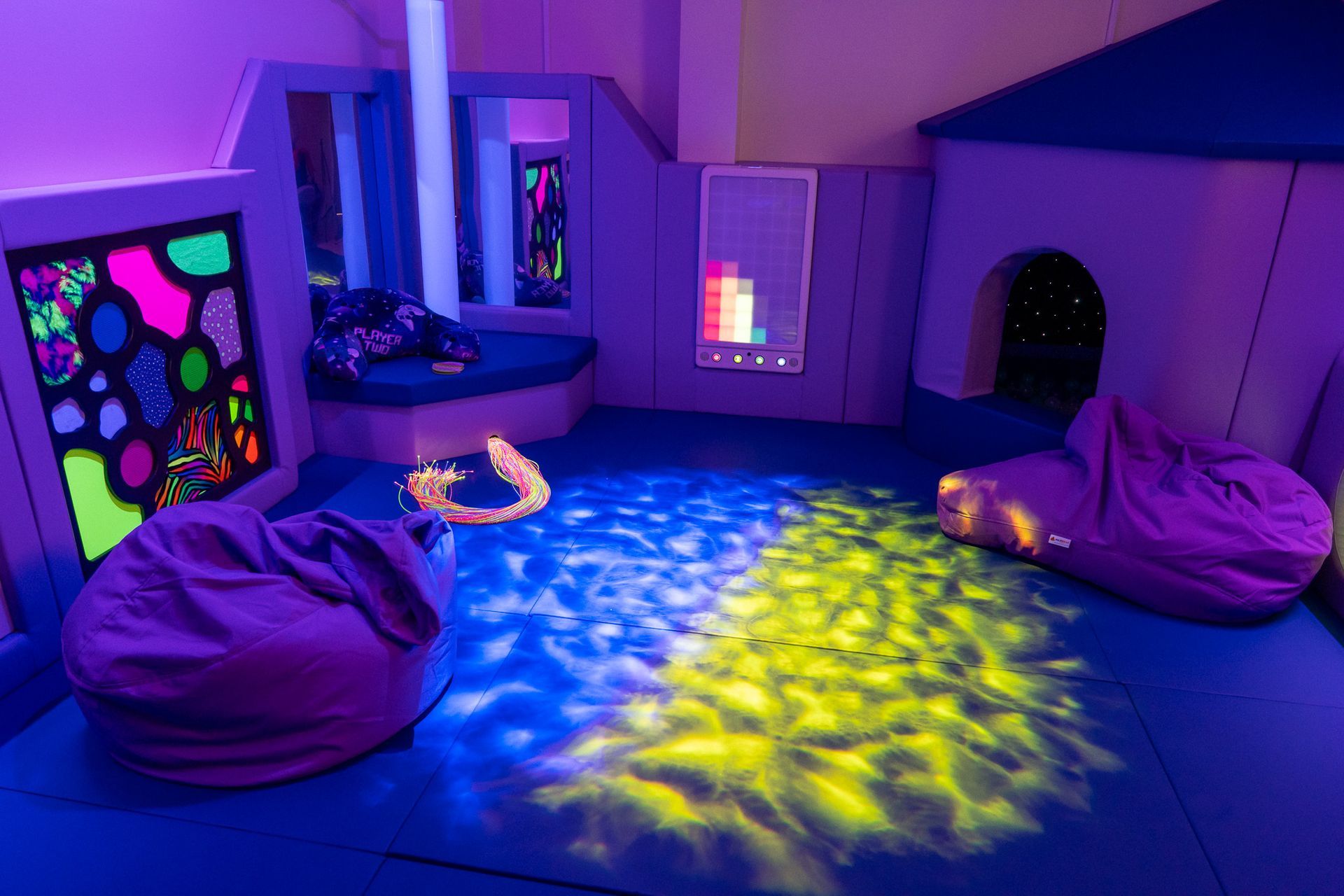
Each element of equipment within a sensory space should serve a purpose and offer something different to ensure you have optimum opportunity to meet individual needs and preferences. Whilst sensory equipment is deliberately bold and attractive it should be balanced to prevent sensory overload.
We will be exploring “Equipment” more in the fifth part of our guide.
Share Post